“Last updated” is not the same as true
Any software that tells a customer something is open, on or in stock is making a promise. What we learned about freshness from Tailend and Yomi, and how we build it into client tools.
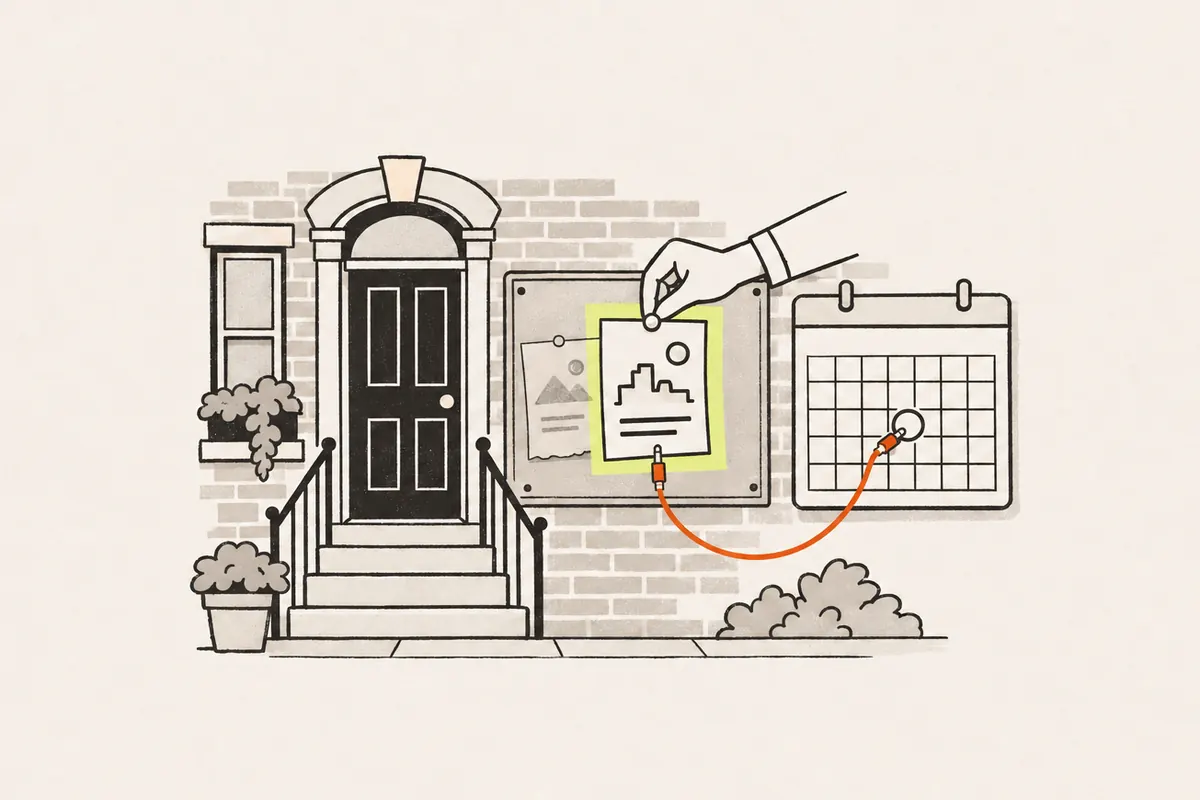
A family loads the stroller, gets a toddler into a jacket and drives to a farmers market they found in an app. They arrive at an empty lot with a handwritten sign. The market closed for the season three weeks ago.
Nothing in the listing was wrong when it was collected. It had a name, an address and a time. It just was not true anymore, and nothing in the record said so.
A timestamp can mislead you
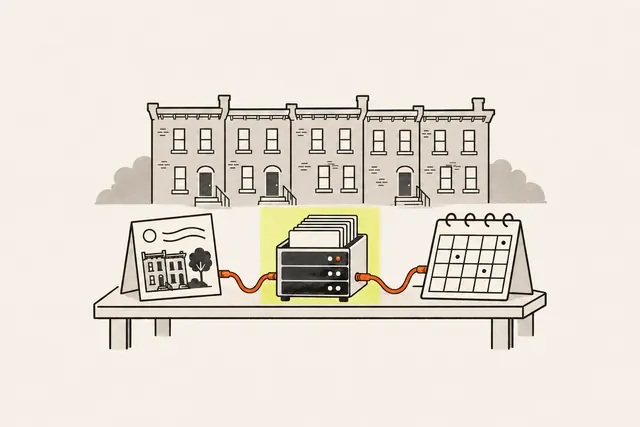
The usual fix is a schedule: check every source every so often and call the result fresh. We tried that. The trouble is that most “last updated” dates measure when the system last touched a record, not when anyone confirmed the fact behind it.
A listing checked yesterday and one checked six months ago can look identical in a database. Same fields, same shape. The odds that each is still true are very different.
Two questions that matter more
When we built Tailend, our events API, we stopped asking “how recently did we look?” and started asking two narrower questions:
- When was this specific fact last confirmed? Not when the page was fetched, but when the date, time or price was actually checked.
- How close is that to when someone will act on it? A check three weeks before a market and a check the day before call for very different confidence.
So Tailend checks listings again as their dates get closer and records when each one was confirmed. When it cannot confirm something, it says so. “We are not sure” is useful. A confident wrong answer is not.
Why it matters more than it looks
The cost of being wrong is not even. A stale price is annoying. A stale “this is happening” sends someone out the door for nothing. When that happens, people do not blame the organizer who forgot to update a page. They blame the app that told them to go.
That is why Yomi, our family outings calendar, only picks events that were checked recently. Putting an outing on a family’s calendar is a stronger promise than listing it on a website. It has to be held to a higher bar.
The same problem shows up in most businesses
You do not need to run an events app to have this problem. Any software that tells a customer something is making a promise on borrowed information:
- a booking page showing a slot that was taken by phone an hour ago
- an online menu listing a dish the kitchen dropped last month
- stock levels that were right at the last count
- holiday hours on one page and regular hours on another
When we build custom software for a business, we treat freshness as a feature. Each important fact records when it was last confirmed and by whom. Anything with a date gets checked again as that date gets closer. And when the system does not know, it says so to staff before a customer finds out the hard way.
If your team spends time double-checking what your own systems say, tell us about it. That is usually a sign the software should be doing the checking.